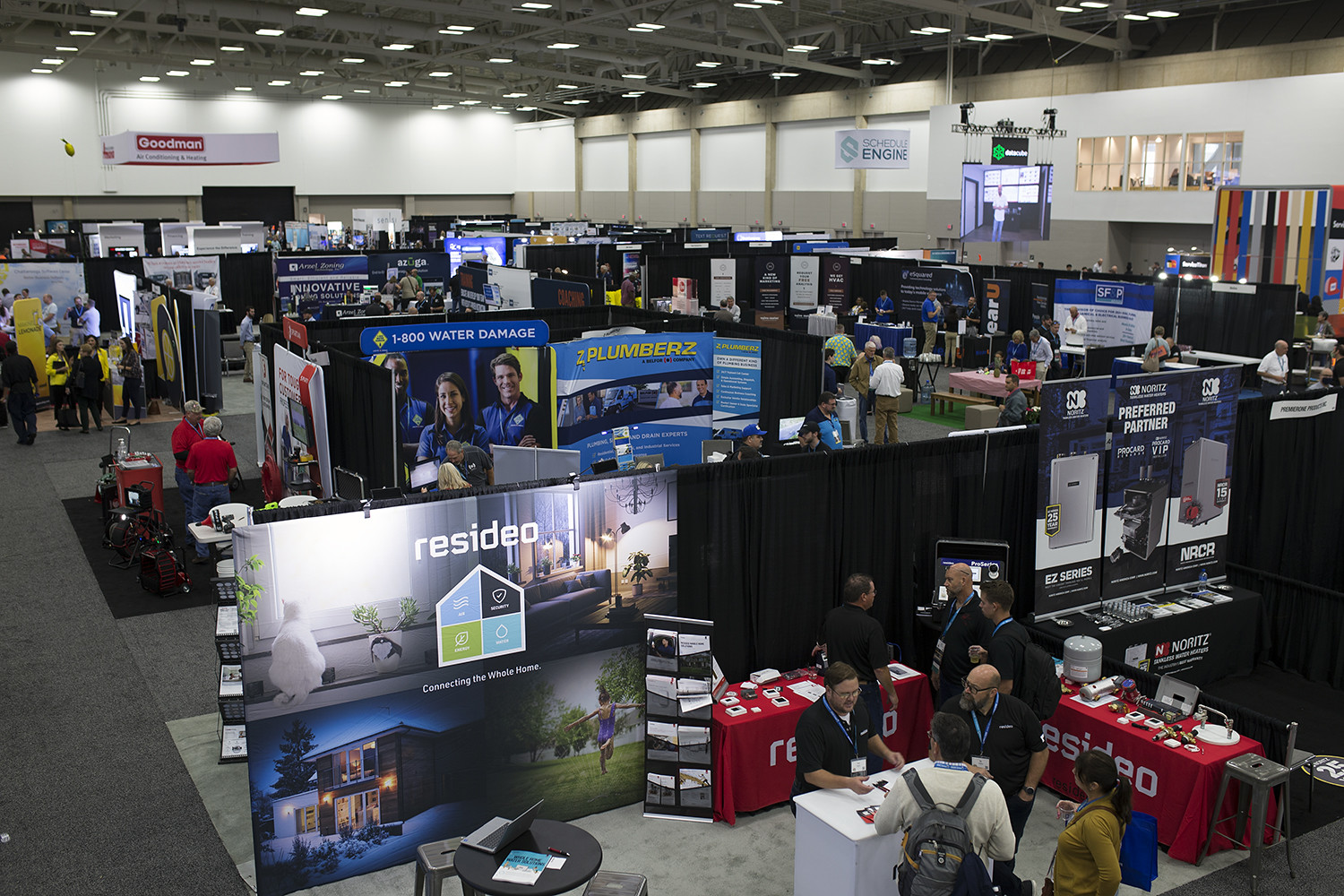
Hundreds of contractors attend Service World Expo every November. Some leave with new vendor relationships, sharper systems, and a handful of peer connections that still pay off a year later. Others leave with a bag of brochures and a vague sense that the trip was worth it. The difference is rarely luck. It comes down to whether you showed up with a plan.
Define What ‘Value’ Means for Your Business
Before you land in Las Vegas or walk into Caesars Forum, decide exactly what a successful SWE looks like for your shop this year. Are you seeking a new lead source, better recruiting channels, vendor relationships that solve a specific problem, or operational systems you can implement immediately?
Pick two or three priority outcomes and use them as your filter for every decision at SWE: sessions, vendor conversations, and evening events. When something doesn’t align with those priorities, it’s optional. That clarity keeps you from drifting through the expo, reacting to whatever is loudest, and helps you invest your limited time where it moves the business forward.
Build a Focused Agenda
A packed schedule and a strategic one are not the same. Before you arrive, review the SWE agenda and sort sessions into three buckets: must-attend, nice-to-attend, and skip. Must-attend sessions are those directly tied to your goals: owner and CEO tracks, marketing and sales sessions, recruiting and culture presentations, and tech and operations content aligned with your company's direction.
Then build in intentional white space for:
Targeted walks through the expo floor, not random laps.
One-on-one time with vendors, partners, or peers you want to engage more deeply.
Quiet time to process notes and reset between intense sessions.
Think of your agenda as an anchor, not a contract. Include a few high-priority commitments, leaving room for spontaneous conversations that often prove the most valuable.
Clarify Your Story Before You Go
Service World Expo is full of people who can help your business, but only if they understand who you are and where you’re headed. Prepare a positioning statement that outlines who you serve, what sets your company apart, and your focus over the next 12 to 24 months. You’ll tweak it slightly depending on whether you’re speaking with a vendor, consultant, or fellow owner, but having a base script means you won’t default to a vague explanation.
Treat Networking as Peer Masterminding
The real value in SWE often comes from conversations with other owners and leaders who are working through the same problems you are. Rather than trying to connect with everyone, focus on finding the right few: contractors who are a step ahead of you, are at a similar size, or are at the stage you want to be in three to five years.
Document the best ideas and their sources. When you find someone whose thinking resonates with you, ask to stay in touch. A quarterly call with two or three like-minded owners can deliver more ongoing value than a single session.
Work the Expo Floor with a Target List
The expo floor can take an entire afternoon if you walk in without a plan. Before the doors open, identify the vendor categories most relevant to your current needs and create a short list of specific booths to prioritize: CRM, marketing services, financing, recruiting platforms, training resources, fleet, and field technology.
Follow Up Within 72 Hours
The difference between a great conference and a business-changing one is follow-through. Within 72 hours of getting home, block time to:
Sort contacts into high-priority, warm, and low-priority categories.
Send short, personalized messages to the people who matter most: vendors, prospective partners, and standout peers.
Connect on LinkedIn with context so they remember who you are and how you met.
With vendors and partners, be specific about next steps and schedule time. With peers, propose something simple. A specific ask gets a response. A generic one usually does not.
Turn Takeaways Into a 90-Day Action Plan
Once the dust settles, translate your SWE experience into concrete business actions. Choose one marketing or sales improvement, one operational or process change, and one leadership, culture, or training initiative. For each, assign an owner, set a timeline, and define how you’ll measure success.
Stacking a few well-executed changes over 90 days creates more value than trying to overhaul everything else. Share the SWE highlights with your leadership team so they understand the rationale behind the changes and can help carry them forward.
Measure Your Return and Refine for Next Year
Once you’ve returned home, revisit the goals you set before you left: what you accomplished, which wins you can link back to the conference, which networking was valuable, and what you would do differently next time. The more deliberately you track how you use SWE, the more it evolves from an annual event into a compounding growth asset. Each year builds on the last.
Ready to Make Service World Expo Count?
You now have a framework for showing up with a plan and leaving with actionable next steps to implement. Lock in your spot now to give yourself the runway to prepare.